Role of Modified Starch in Sauce Production
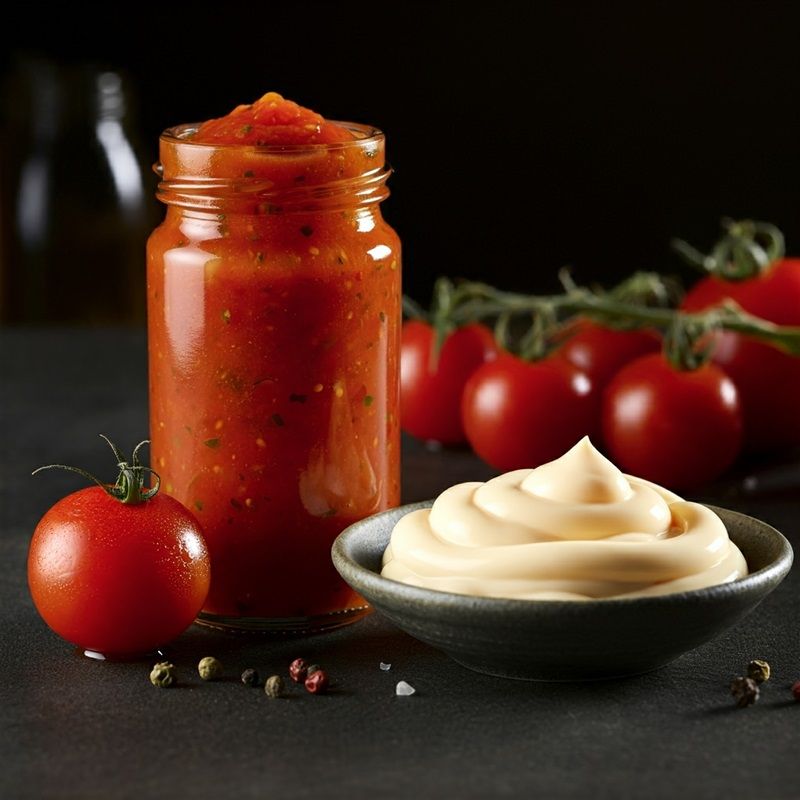
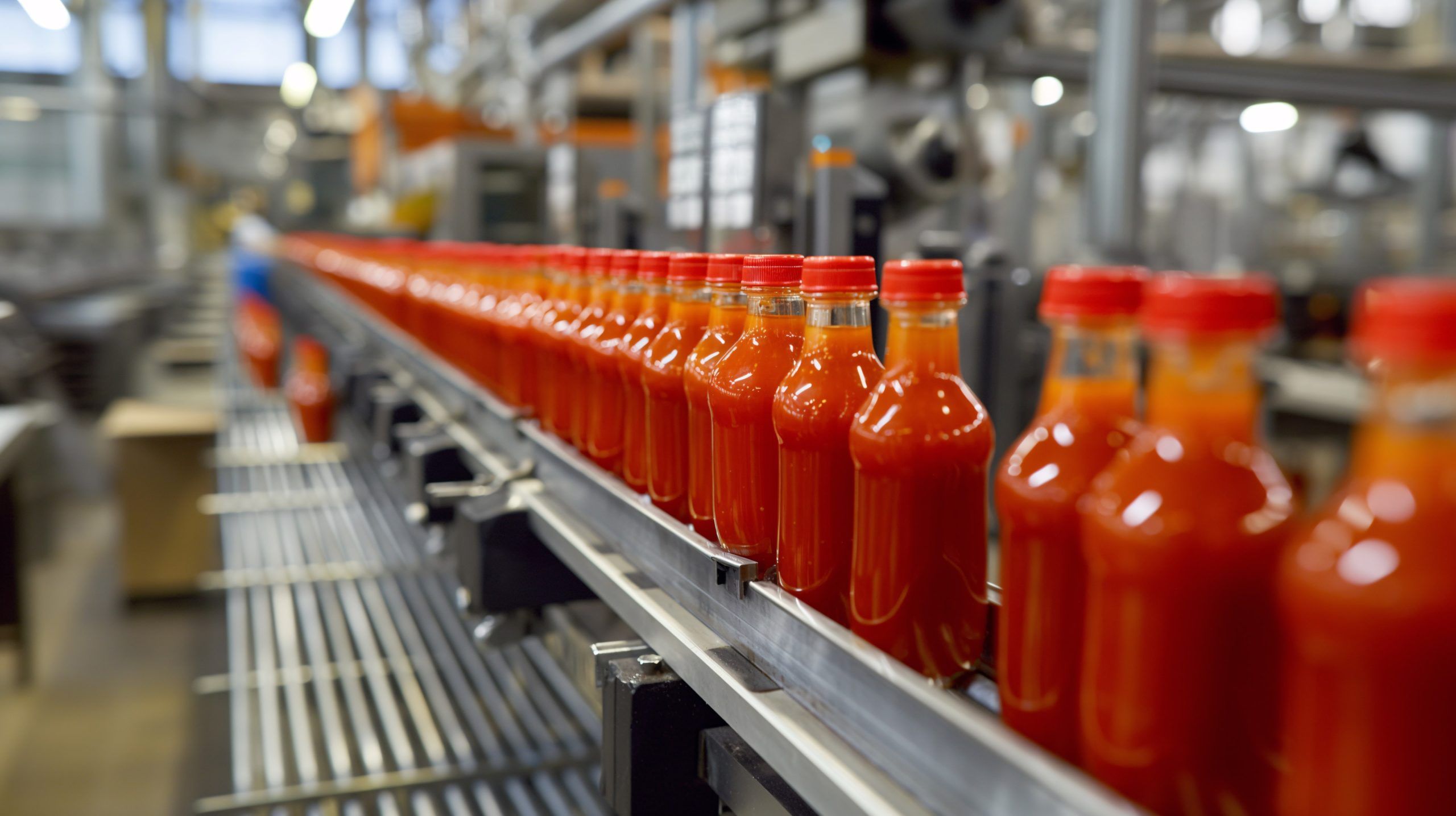
In the modern food industry, particularly in sauce production, modified tapioca starch is becoming an indispensable ingredient due to its ability to simultaneously improve both the sensory quality and stability of the product. First and foremost, the most noticeable role of modified tapioca starch is its thickening ability – a core factor determining the structure of sauces. When heated, the starch granules absorb water and swell, forming a network that thickens the solution; however, the crucial difference from natural starch lies in the fact that modified starch has been processed to control this swelling process, thereby creating a more stable consistency and reducing the tendency for the sauce to become diluted again after storage, a common problem with tomato sauces or sweet and sour sauces if only regular starch is used.
Besides its thickening ability, modified tapioca starch also acts as a structural stabilizer, especially important in emulsion systems containing both water and oil, such as mayonnaise or salad dressings. In these systems, phase separation is a common technical problem, but modified starch can increase the viscosity of the aqueous phase and create an environment that "anchors" oil droplets, thereby limiting separation. Practical production shows that products using modified starch can maintain a homogeneous state throughout their shelf life, even under the influence of transportation or temperature changes, significantly enhancing their commercial value in the market.
Another high-tech advantage is the ability to withstand harsh processing conditions. In industrial production, sauces often undergo high-temperature heating, vigorous stirring, and sometimes low pH environments due to the addition of acids such as vinegar. These factors easily break down the structure of natural starch, leading to loss of viscosity and reduced product quality. Conversely, modified tapioca starch is designed with stronger bonds, helping to maintain its structure even under heat and acid conditions, thus ensuring stability throughout processing and storage. This is why many manufacturers prefer using starches like E1412 or E1422 in high-acid sauce formulations.
Beyond technical aspects, modified tapioca starch significantly improves the taste experience. A standard sauce needs to be not only thick but also smooth, glossy, and free of a powdery residue in the mouth. Thanks to its ability to control particle structure after modification, this type of starch creates a smoother gel system, resulting in a more pleasant and professional mouthfeel compared to using natural starch. This is especially important in a context where consumers are increasingly focused on the eating experience, not just taste.
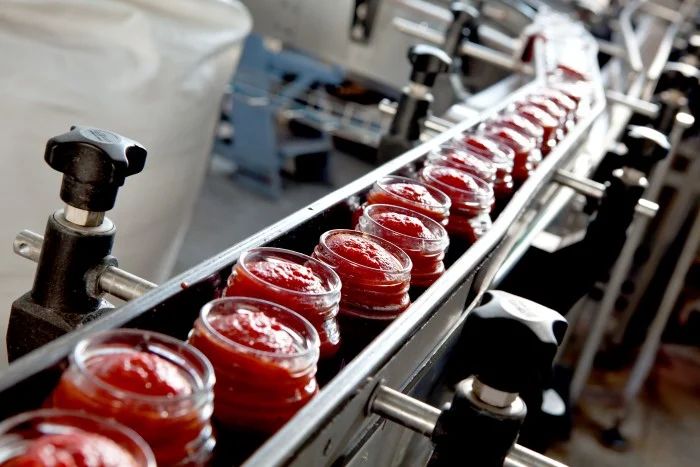
Finally, from an economic perspective, modified tapioca starch offers significant cost savings for businesses. With its high thickening efficiency and good stability, manufacturers can use lower amounts compared to other thickeners while still achieving the desired quality and minimizing the risk of product defects during distribution. This not only optimizes raw material costs but also contributes to enhancing the product's competitiveness in the international market.
In short, modified tapioca starch is not simply a thickening additive but a comprehensive technological solution in sauce production, improving everything from structure, stability, and processing tolerance to sensory experience and economic efficiency. The combination of these factors has made it the preferred choice in the formulations of most modern sauce products.
Secure Your Supply with Confidence
We support buyers with stable sourcing by working closely with local partners and managing controlled processing systems to ensure consistent supply.
Contact Us



Phone Number


Zalo