native vs modified starch
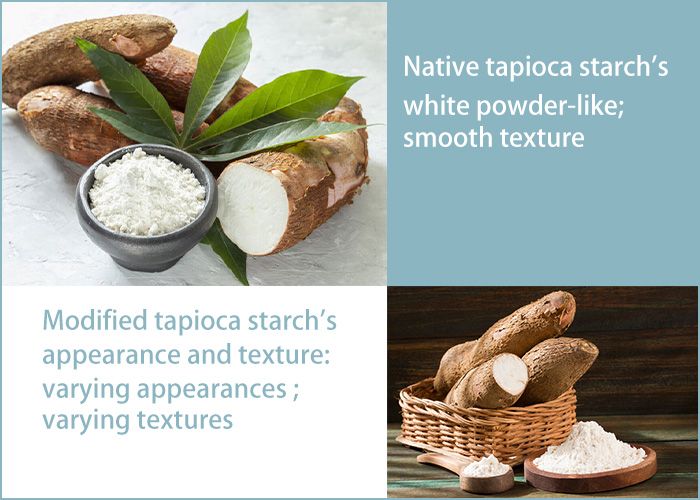
Native Starch vs. Modified Starch: Key Differences and Industrial Applications
In the modern food and manufacturing industries, starch is more than just a source of energy; it is the "architect" behind a product's structure, stability, and sensory appeal. However, when choosing between Native Starch and Modified Starch, many manufacturers weigh the trade-offs between natural labeling and functional performance. 32131313
1. What is Native Starch?
Native Starch is the pure form of starch extracted directly from plant sources (such as cassava/tapioca, corn/maize, potato, or wheat) through physical separation processes: grinding, filtering, centrifuging, and drying. Its chemical structure remains completely original, untouched by chemical agents or enzymes.
Key Advantages:
Clean Label: This is its greatest strength. It is recognized as a traditional food ingredient and does not require an E-number on the packaging.
Cost-Efficiency: The simple production process keeps raw material costs low.
Safety: Ideal for organic product lines and baby foods.
2. What is Modified Starch?
Modified Starch is native starch that has been treated physically, chemically, or enzymatically to enhance its properties. The goal of modification is to overcome the inherent limitations of native starch, allowing it to withstand harsh processing conditions such as extreme heat, high shear, or acidic environments.
Common Modification Methods:
Physical Modification: e.g., Pre-gelatinized starch that can dissolve in cold water without heating.
Chemical Modification: Processes like Cross-linking or Acetylation to improve shelf-life and heat resistance.
Enzymatic Modification: Using enzymes to create products like Maltodextrin.
3. Real-World Food Application Comparison
The difference between these two starches is most visible in the final food product's quality over time:
3.1. Sauces, Dressings, and Ketchup
Native Starch: Sauces tend to become "watery" or undergo syneresis (water separation) after being refrigerated or stored for a few days.
Modified Starch (e.g., E1422, E1414): Keeps sauces glossy, smooth, and stable, even in highly acidic environments like vinegar-based chili sauce.
3.2. Frozen Foods
Native Starch: During thawing, the starch structure breaks down, causing frozen dumpling skins to crack or become soggy.
Modified Starch (e.g., E1420): Acts as an anti-freezing agent, ensuring dumpling skins remain elastic, chewy, and translucent after steaming.
3.3. Meat Products (Meatballs and Sausages)
Native Starch: Often results in a "mealy" or "floury" texture, making the meat feel soft and dry.
Modified Starch: Functions as a superior binder, providing a "bouncy" and firm texture (snap) similar to high-quality fresh meat.
3.4. Dairy and Desserts
Native Starch: Difficult to achieve a creamy consistency in puddings or yogurts without thinning out.
Modified Starch: Provides a rich "mouthfeel" and prevents water separation in yogurt, making low-fat products taste as creamy as full-fat versions.
4. Technical Comparison Table
Criteria | Native Starch | Modified Starch |
Heat Stability | Low; loses viscosity under prolonged high heat. | Excellent; withstands UHT and retort processing. |
Acid Resistance | Poor; breaks down in low pH environments. | High; maintains thickness in acidic sauces. |
Freeze-Thaw Stability | Low; prone to water separation (syneresis). | Excellent; prevents ice crystal formation. |
Labeling | "[Source] Starch" (e.g., Tapioca Starch). | Specific name or E-number (e.g., E1422). |
5. Future Trends: Native or Modified?
The industry is currently moving toward two parallel paths:
Physical Modification Excellence: Scientists are developing "functional native starches" that perform like chemical starches but can be labeled as "Native" to satisfy Clean Label demands.
Tapioca Dominance: Tapioca starch is becoming a top choice globally due to its neutral taste, GMO-free nature, and gluten-free status.
Conclusion
Choosing between Native Starch and Modified Starch depends entirely on your product's goals. If you prioritize a "Clean Label" and short-term consumption, native starch is the way to go. However, if your product requires a long shelf-life, freeze-thaw stability, or must endure industrial manufacturing, modified starch is an indispensable partner.
Secure Your Supply with Confidence
We support buyers with stable sourcing by working closely with local partners and managing controlled processing systems to ensure consistent supply.
Contact Us



Phone Number


Zalo