How Quality Control Supports Stable Cassava Starch Supply
Understanding the Cassava Starch Production Process
Cassava starch plays an important role in both food and industrial applications thanks to its versatility, consistency, and wide availability. To ensure stable quality and reliable supply, cassava starch production follows a carefully controlled process, from raw material sourcing to final processing.
This article provides an overview of how cassava starch is produced and why each step matters for product quality.
Why Cassava Starch Production Matters
Cassava starch quality is highly dependent on production methods. Variations in raw materials, processing conditions, or quality control can directly affect starch purity, viscosity, and performance in end applications.
For buyers and manufacturers, understanding the production process helps ensure:
Consistent product performance
Stable long-term supply
Compliance with food and industrial standards
Key Steps in Cassava Starch Production
Cassava Root Sourcing
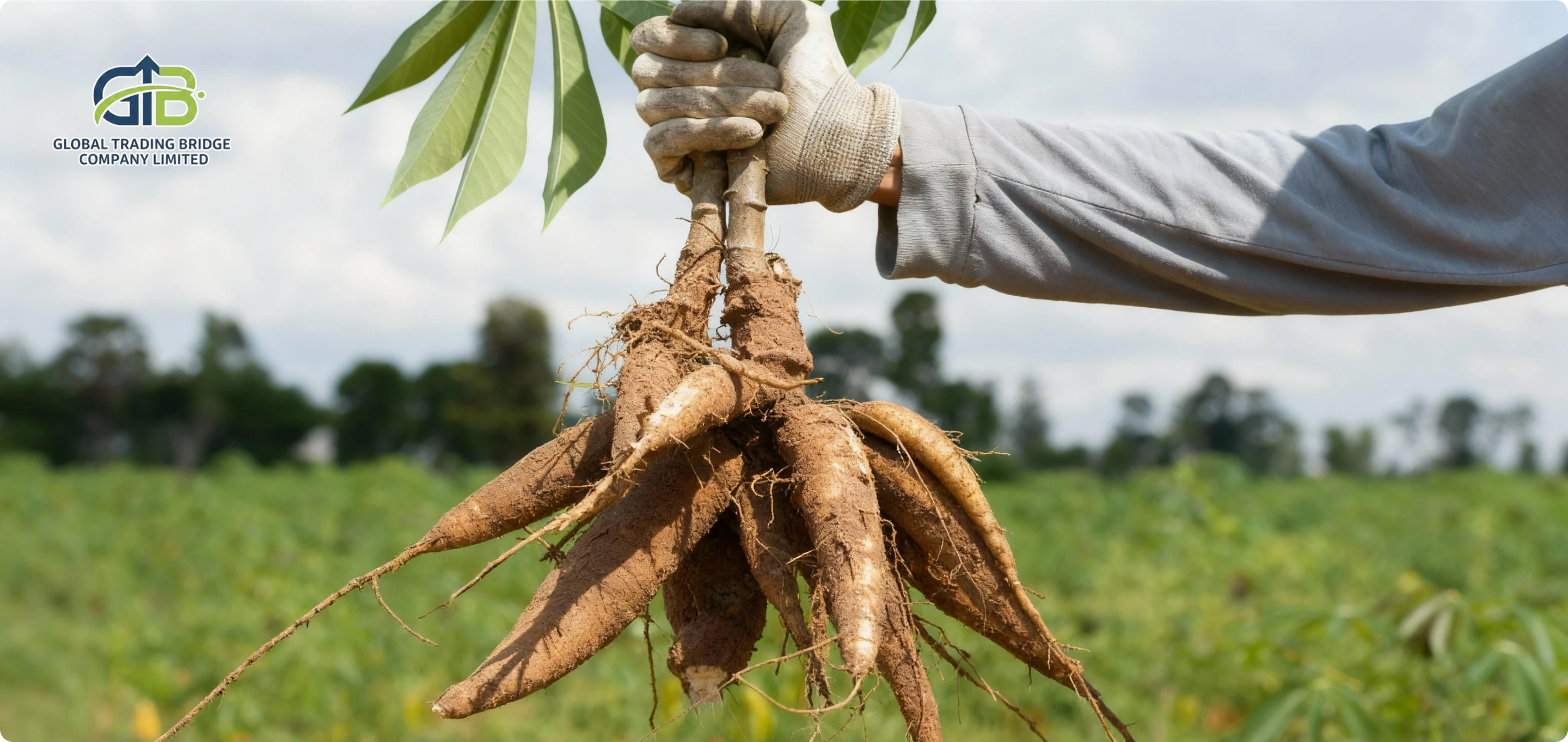
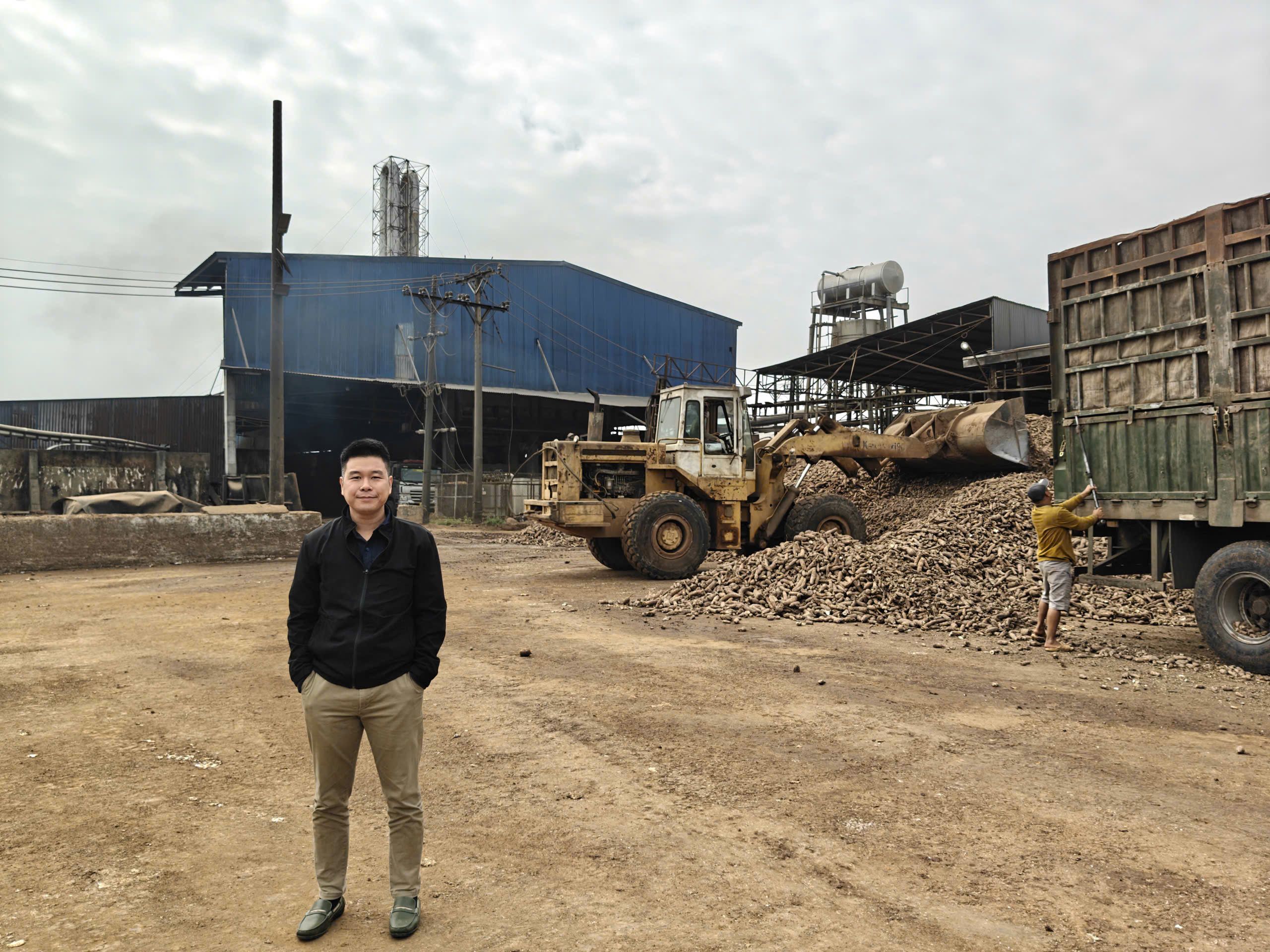
Fresh cassava roots are sourced from farming areas and transported to processing facilities as quickly as possible. Freshness is critical, as starch quality can decline if roots are stored too long after harvest.
Cleaning and Preparation
The cassava roots are thoroughly washed to remove soil, sand, and impurities. Clean roots are then peeled and prepared for further processing to minimize contamination and maintain starch purity.
Crushing and Starch Extraction
Prepared cassava roots are crushed to release starch granules. Water is added during this stage to separate starch from fiber and other components. The starch-rich liquid is then filtered to remove remaining solids.
Starch Refining and Washing
The extracted starch is washed multiple times to improve purity and whiteness. This step helps remove residual fiber, protein, and impurities, resulting in refined cassava starch suitable for food and industrial use.
Drying and Packaging
After refining, the starch is dried under controlled conditions to achieve the required moisture level. The final product is then packaged according to export and storage standards to preserve quality during transportation.
Quality Control in Cassava Starch Production
Quality control is applied throughout the production process, from raw material inspection to final product testing. Key parameters such as moisture content, whiteness, viscosity, and pH are monitored to ensure consistency across batches.
Reliable quality control supports long-term supply stability and helps meet international customer requirements.
Applications of Cassava Starch
Thanks to its functional properties, cassava starch is widely used in:
Food processing and ingredient formulation
Paper and packaging industries
Textile and adhesive applications
Other industrial processing uses
Consistent production quality ensures cassava starch performs reliably across these applications.
Conclusion
Understanding the cassava starch production process highlights the importance of controlled sourcing, processing, and quality management. A well-structured production system not only ensures consistent product quality but also supports long-term cooperation between suppliers and global markets.
For buyers seeking stable supply and dependable performance, production transparency plays a key role in building trust and long-term partnerships.
Secure Your Supply with Confidence
We support buyers with stable sourcing by working closely with local partners and managing controlled processing systems to ensure consistent supply.
Contact Us



Phone Number


Zalo