Classification of Modified Starch by E-code
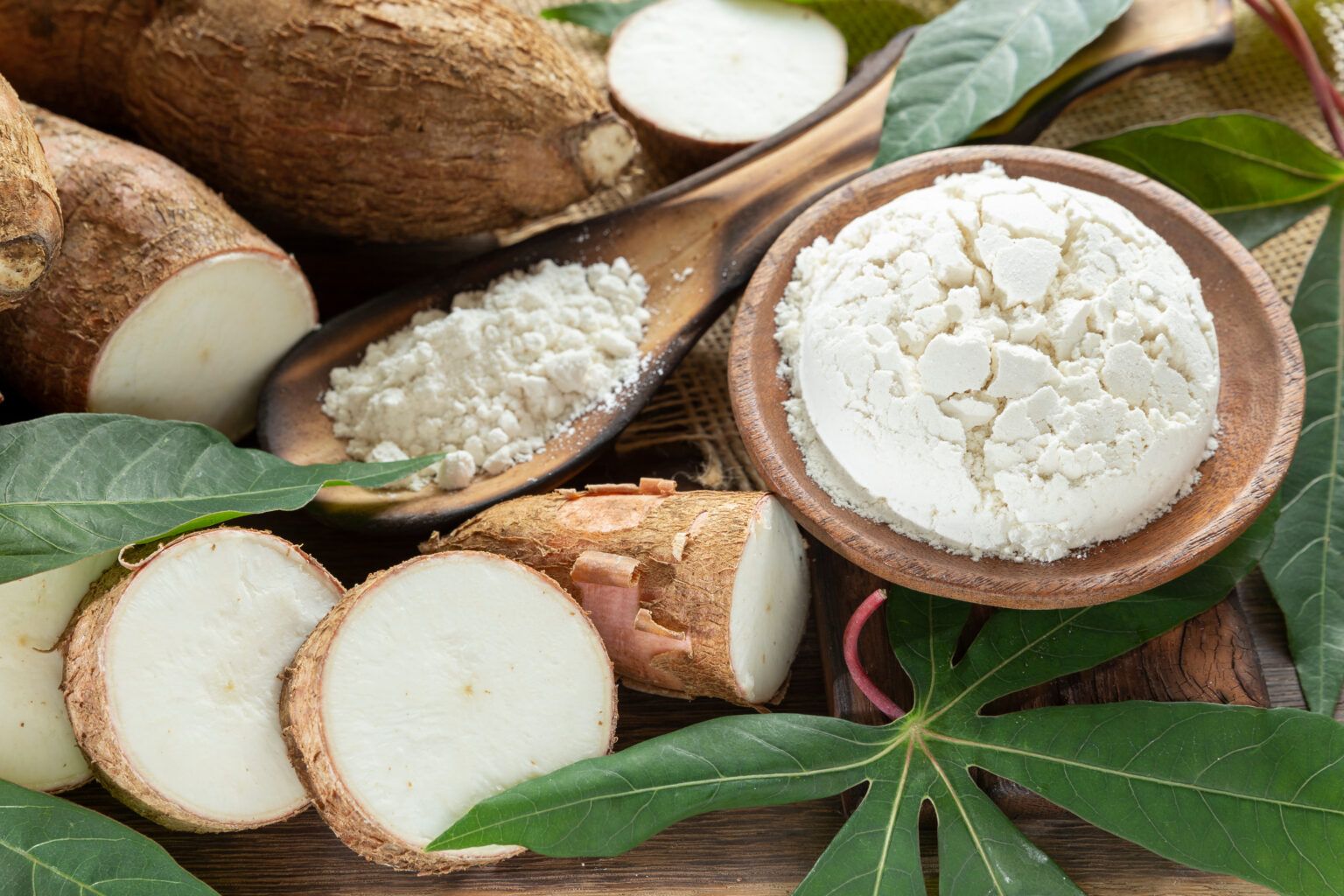
In the food industry, modified starches are assigned E-numbers (International Numbering System codes) to identify the specific type of modification they have undergone. This classification helps manufacturers select the right starch based on the technical requirements of their production process, such as heat resistance, freeze-thaw stability, or acid tolerance.
Here is the classification of modified starches by E-code, grouped by their chemical treatment:
1. Physically Modified Starches
These starches are often processed using heat, pressure, or moisture. Notably, Pre-gelatinized starch does not always require an E-code because it is often considered a food ingredient rather than an additive, though it is technically a physical modification.
2. Chemically Modified Starches (The E-Code List)
The following starches are the most common in industrial food production:
Acetylated Starches (Focus on Freeze-Thaw Stability)
These starches prevent "retrogradation" (the hardening and leaking of water in starches).
E1420 (Starch Acetate): Used mainly in frozen foods and noodles to prevent them from becoming brittle.
E1421 (Starch Acetate adipate): Similar to E1420 but with improved texture stability.
Cross-linked Starches (Focus on Heat & Acid Resistance)
Cross-linking acts like "spot welding" the starch granules, making them incredibly tough.
E1412 (Distarch Phosphate): Provides high heat and shear resistance. Ideal for canned foods and high-speed mixing.
E1413 (Phosphated Distarch Phosphate): Enhanced stability in acidic environments.
E1414 (Acetylated Distarch Phosphate): A "hybrid" that offers both the toughness of cross-linking and the freeze-thaw stability of acetylation. Widely used in ketchup and mayonnaise.
Hydroxypropylated Starches (Focus on Clarity & Texture)
These are used to create very smooth, clear gels.
E1440 (Hydroxypropyl Starch): Improves water-holding capacity and provides a creamy mouthfeel.
E1442 (Hydroxypropyl Distarch Phosphate): One of the most popular starches in the dairy industry. It is used in yogurts and puddings because it survives pasteurization and provides a thick, glossy texture.
3. Oxidized and Acid-Treated Starches
These are modified to reduce viscosity, meaning they stay thin even at high concentrations.
E1404 (Oxidized Starch): Used primarily in confectionery (gummy candies) and as a coating agent for fried foods to improve crispiness.
E1401 (Acid-treated Starch): Used when a "thin-boiling" starch is needed, often in the jelly bean and gumdrop industry.
4. Summary Table for Quick Reference
E-Code | Common Name | Key Property | Common Application |
E1404 | Oxidized Starch | Good film-forming | Batter coatings, gummies |
E1412 | Distarch Phosphate | Heat/Shear resistance | Canned soups, sauces |
E1414 | Acetylated Distarch Phosphate | Stable emulsification | Mayonnaise, chili sauce |
E1420 | Starch Acetate | Anti-retrogradation | Frozen dumplings, noodles |
E1422 | Acetylated Distarch Adipate | High stability | Fruit fillings, UHT dairy |
E1442 | Hydroxypropyl Distarch Phosphate | Creamy mouthfeel | Yogurt, pudding, custard |
5. Which E-code should you use?
If your product is frozen: Look for E1420 or E1422.
If your product is highly acidic (pH < 4): Use E1414 or E1442.
If you are retort/canning at high heat: Use E1412.
If you want a "creamy" fat replacer: Use E1442.
At Global Trade Bridge Co., Ltd., quality is not an option, but our responsibility. We are committed to providing premium modified cassava starch with consistent performance and strict quality control. Our goal is to support our customers with stable products and long-term cooperation based on trust and reliability.
Secure Your Supply with Confidence
We support buyers with stable sourcing by working closely with local partners and managing controlled processing systems to ensure consistent supply.
Contact Us



Phone Number


Zalo