7 PAIN POINTS FACED BY FOOD PRODUCERS WHEN USING MODIFIED CASSAVA STARCH – AND HOW TO ADDRESS THEM WITH THE RIGHT RAW MATERIAL PARTNERS
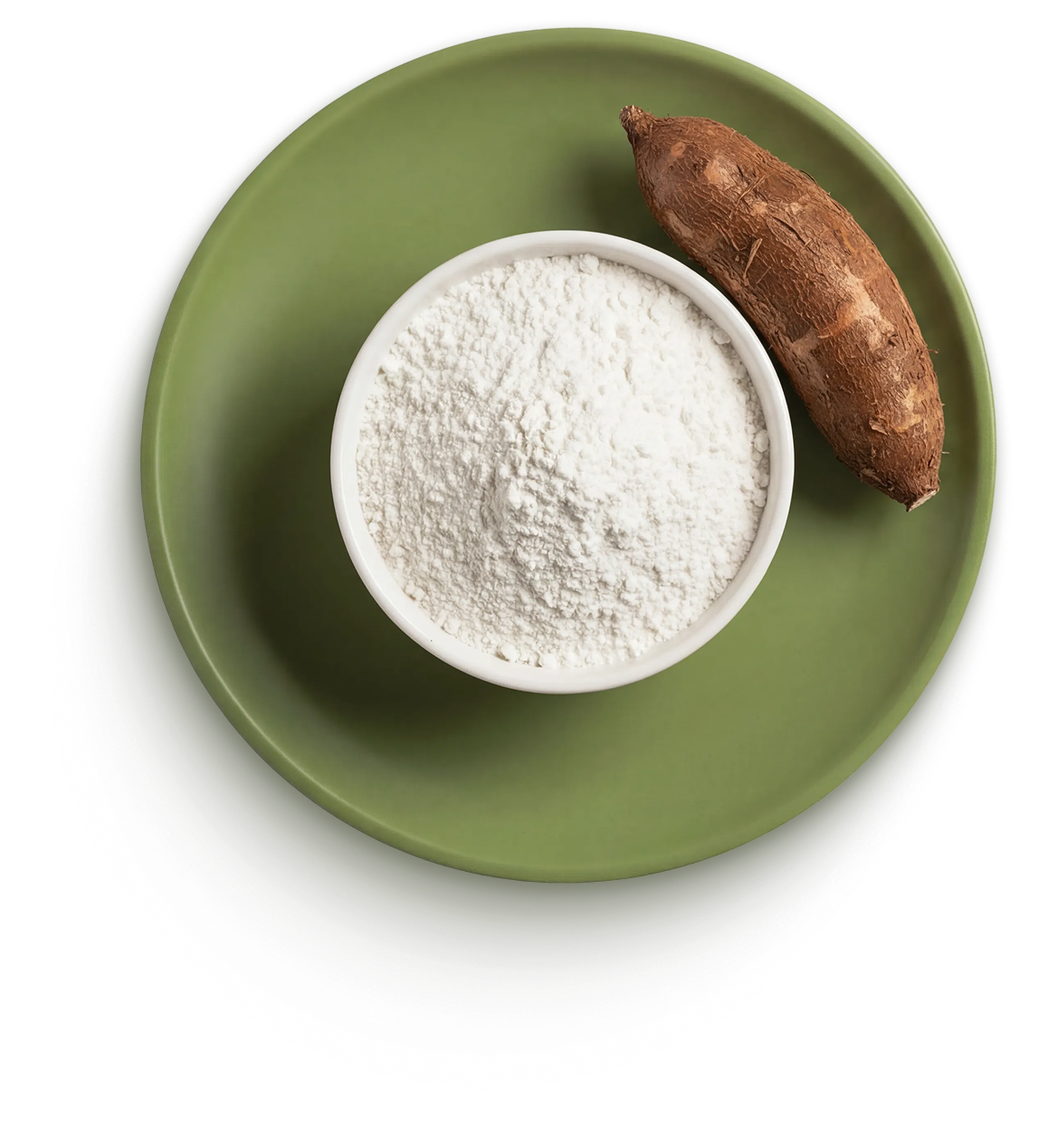
In the industrial food industry, product texture and stability are not just technical factors – they are crucial for market competitiveness.
Whether the product is sausage, fish cake, sauce, plant-based milk, instant noodles, or frozen food, unstable texture can cost a brand dearly:
Complaints from distributors
Loss of consumer trust
Increased production costs
Reduced profit margins
Modified cassava starch is used to address the problem of texture stability. However, in reality, many food manufacturers are facing serious "pain points" when using this ingredient.
1. Unstable Structure Between Production Batches
One of the most common problems factories encounter:
The first production batch achieves the desired consistency.
The next batch is thinner.
The product separates after storage.
Uneven gel consistency.
The cause is often not in the overall formula, but in not selecting the right type of modified starch suitable for the technological process (shear, temperature, pH, homogenization pressure, etc.).
Consequences:
Increased defect rate
High cost of formula adjustments
Seriously impacts brand stability
2. Fails to Achieve Expected Texture
Texture is the first thing consumers perceive:
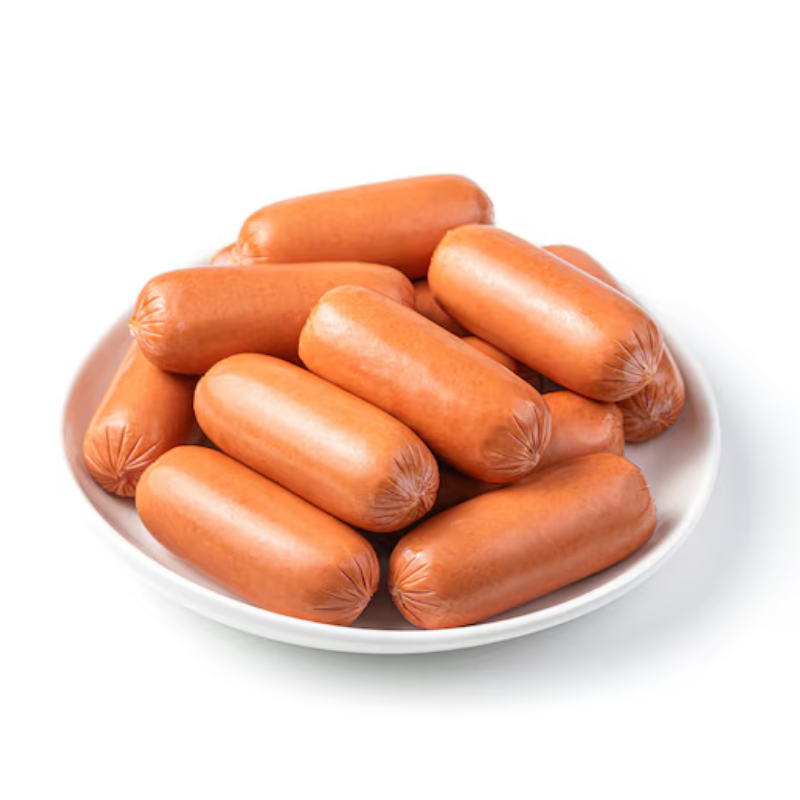
Sausages need elasticity, not crumbly.
Sausages need smoothness, not lumps.
Cake fillings need elasticity but not stickiness.
Plant-based milk needs a natural consistency, without a powdery feel.
However, if the starch is incompatible with the protein-lipid-salt system:
The gel may be too hard or too soft.
The mouthfeel may be "starchy."
The product surface may be pitted.
This is why many factories have to experiment multiple times, incurring R&D costs, but still haven't optimized the texture.
3. Instability Under Heating and Transportation Conditions
Processed foods are subjected to:
Heating at 90–130°C
High-pressure homogenization
Multiple freezing and thawing cycles
Long-distance transportation
If the starch does not have sufficient cross-linking capabilities:
Viscosity breakdown
Product syneresis (water separation)
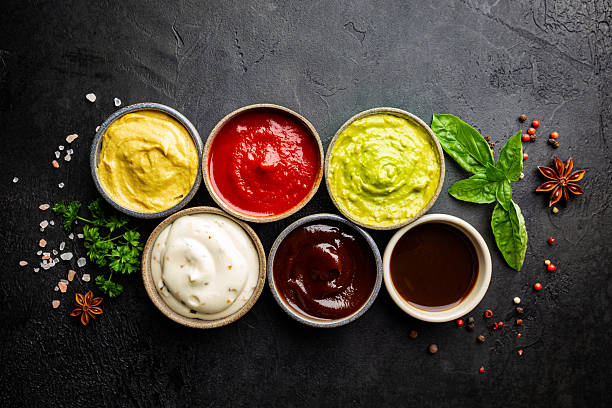
Sauce stratification after 1–2 months of storage
This is a particularly significant pain point for export businesses.
4. Increased Usage Rate Without Increased Efficiency
A common mistake:
When the structure is not yet ideal → increase the starch percentage to 6–8%
But this leads to:
Increased cost
Worse mouthfeel
Inefficient cost-in-use
The solution lies not in “using more,” but in using the right type for the right application.
5. Lack of Technical Support from Suppliers
Many businesses share that:
Suppliers only provide quotes, not application advice.
They don't provide complete technical data.
They don't support pilot testing.
Meanwhile, each product has a different technology system. Lack of technical support forces businesses to conduct trial and error testing themselves, slowing down commercialization progress.
6. Pressure for Clean Labels and Exports
The market increasingly demands:
Clean labels
Non-GMO products
Complete certification documents
Compliance with EU, GCC...
If raw materials don't meet these requirements, businesses may lose export opportunities even if the product is of good quality.
From “Raw Material Supplier” to “Structural Stability Solution Partner”
In this context, what food businesses need is not just modified cassava starch, but:
✔ Consulting on selecting the right type for each application
✔ Analysis of heating – shear – pH processes
✔ Support for optimizing cost-in-use
✔ Provision of complete technical documentation & certifications
✔ Partnership in pilot testing
A true raw material partner will help businesses:
Reduce testing costs
Stabilize quality between batches
Improve product shelf life
Increase competitive advantage in the market
Structural Stability – Brand Stability
In the food industry, structure is not just a technical factor – it's about consumer experience and brand reputation.
Choosing the right modified cassava starch suitable for your technology system will determine:
Long-term stability
Cost efficiency
Market scalability
If your business is looking for an optimal product structure solution, partnering with a supplier with strong technical capabilities and in-depth application knowledge will be a strategic move.
Secure Your Supply with Confidence
We support buyers with stable sourcing by working closely with local partners and managing controlled processing systems to ensure consistent supply.
Contact Us



Phone Number


Zalo